Make storytime the best part of the day.
yes, even at breakfast
A story app for ages 3–8, designed for parent and child together.
- New handpicked stories every month
- Personalized adventures, your child as hero
- Audio narration for storytime on the go
What's inside the app
A library made for storytime together
Original stories, reimagined classics, and curated collections designed for families.

Original tales
Meet Ollo, the octopus with giant dreams
And the Wild Shadow, a girl whose shadow won’t stop dancing. Originals you’ll find only here.
Reimagined classics
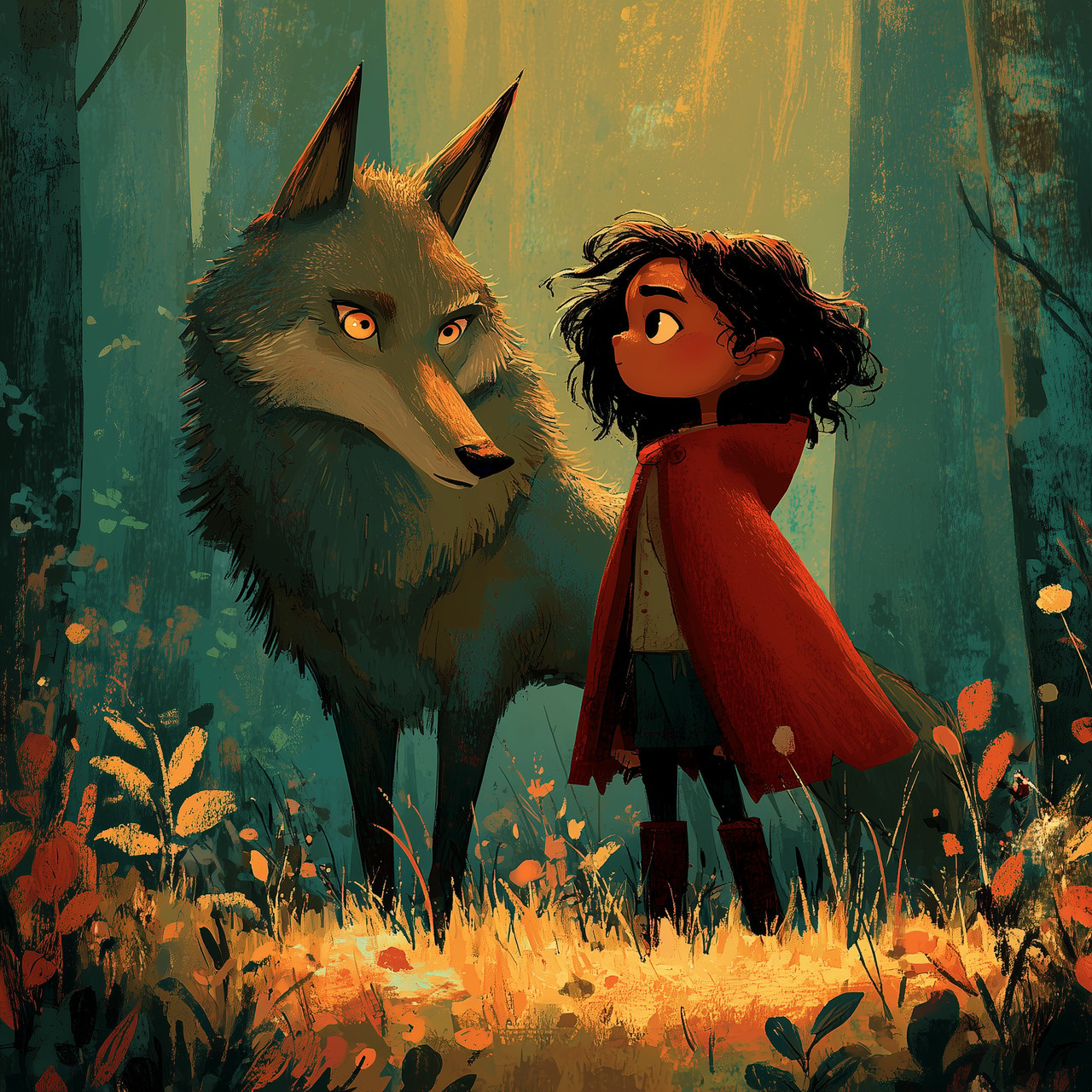
The wolf’s side of the story
In Minari’s Little Red, he turns out to be a friend. Beloved fairytales, retold with a few surprises tucked in.
Story series
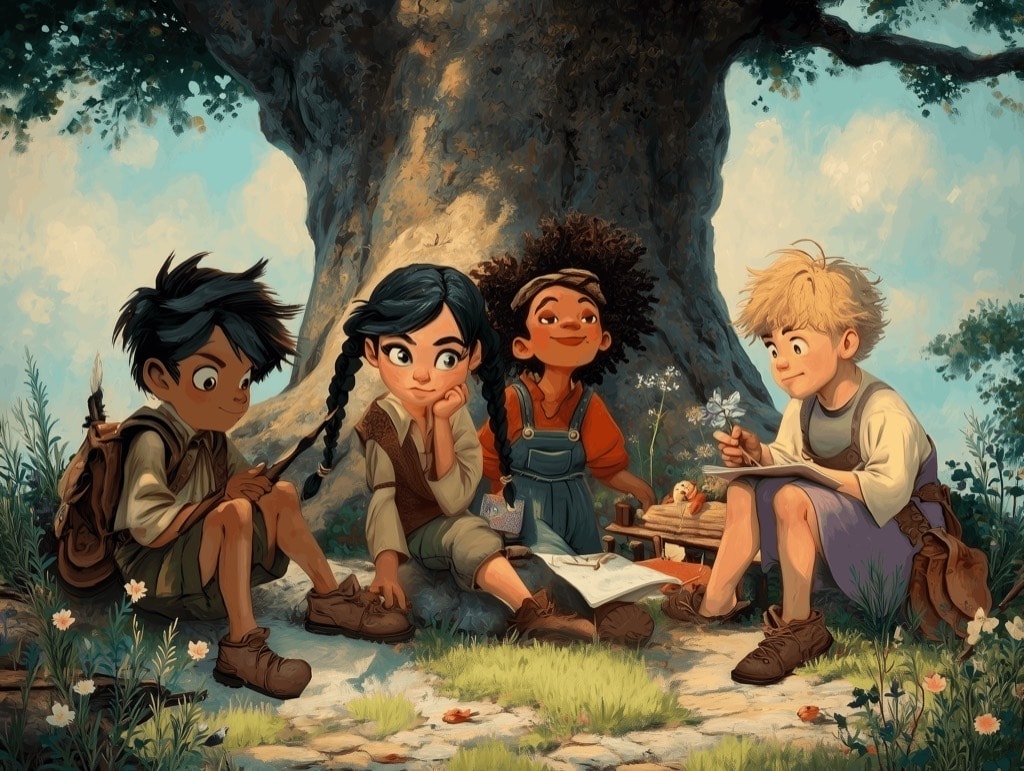
One story leads to the next
Series your child falls into — like Harmonia, a world of ten linked tales. Each stands alone; together they go somewhere bigger.
From the Minari shelf
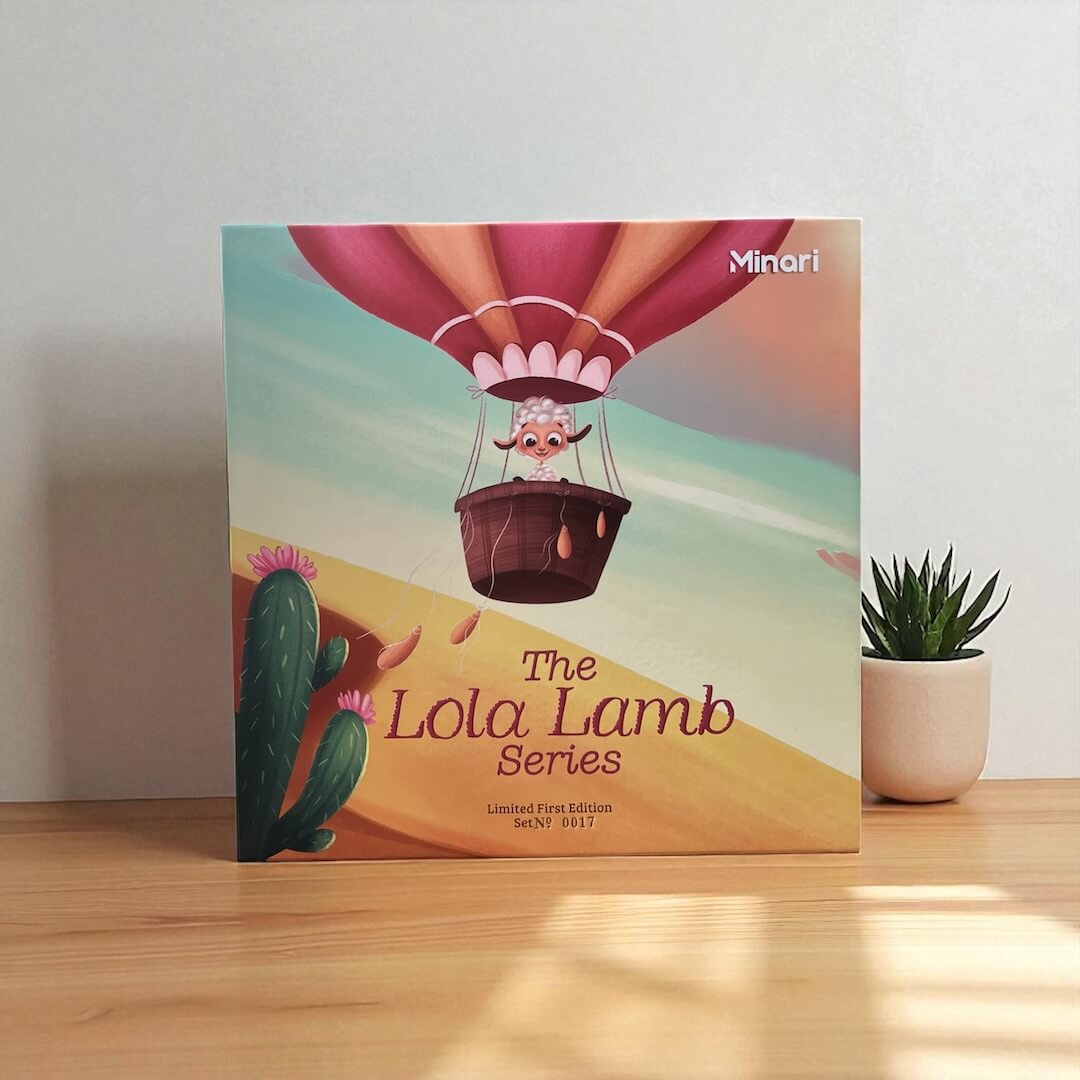
Beautiful books for bedtime.
Stories that stay on the nightstand long after storytime ends.


Testimonials
Loved by families, trusted by teachers
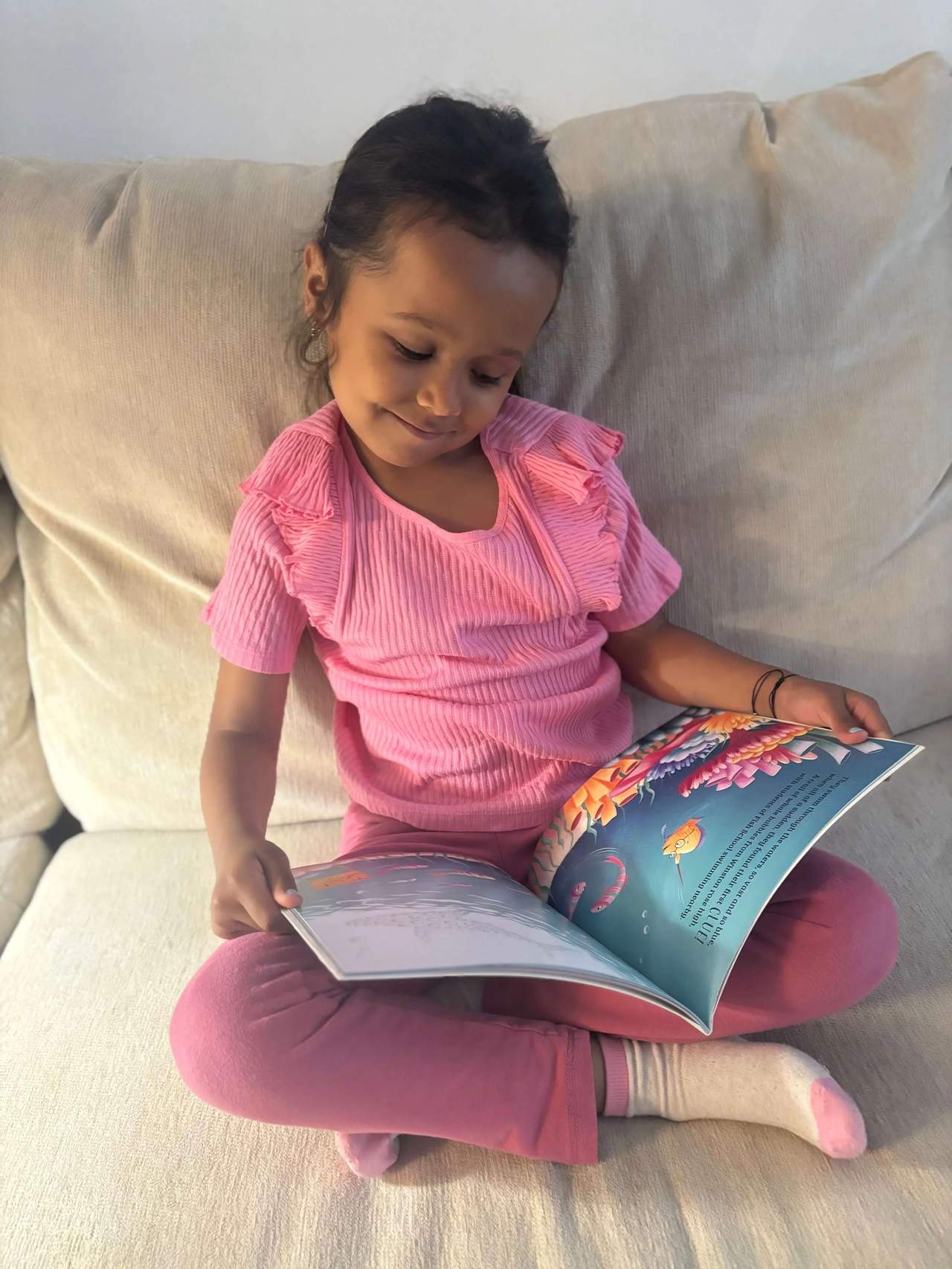
“My kindergarten daughter absolutely LOVED this book!”
It’s a great read for all children, as it helps them understand that their emotions are valid and gives them the language and confidence to express themselves. This book is not only visually stunning but also emotionally meaningful—a wonderful read for both kids and adults!
Tiffany L.
Montessori Teacher | NYC
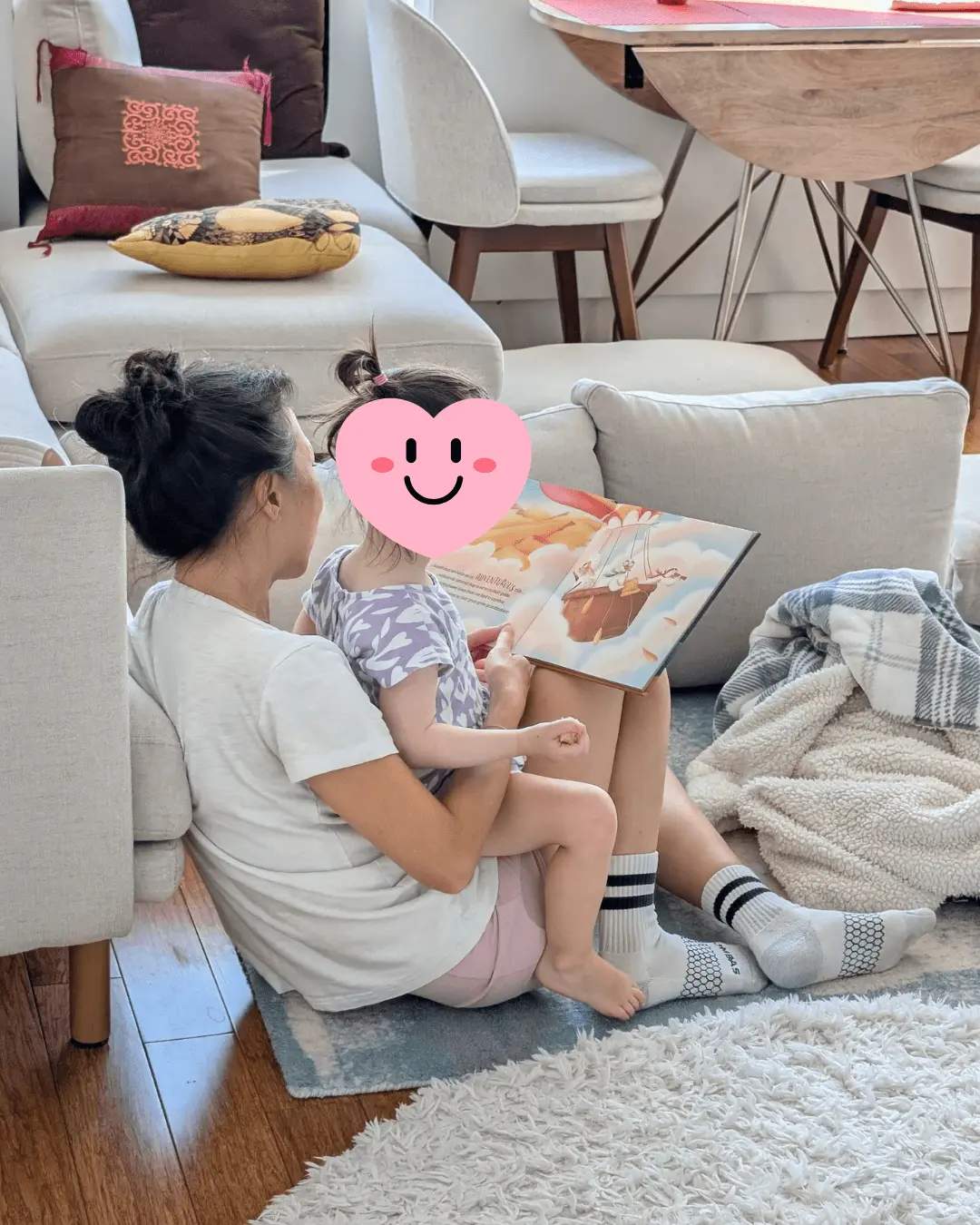
“One of the best rhyming stories I’ve read!”
The writing is stellar; it’s one of the best rhyming stories I’ve read! My 2.5-year-old daughter was immediately drawn in by the musical quality of the rhymes and the rich, whimsical illustrations. Within the first day of getting Lola Lamb and the Growly Grump, we read it a dozen times (no exaggeration!)
Heather E.
Author & Mom | NYC
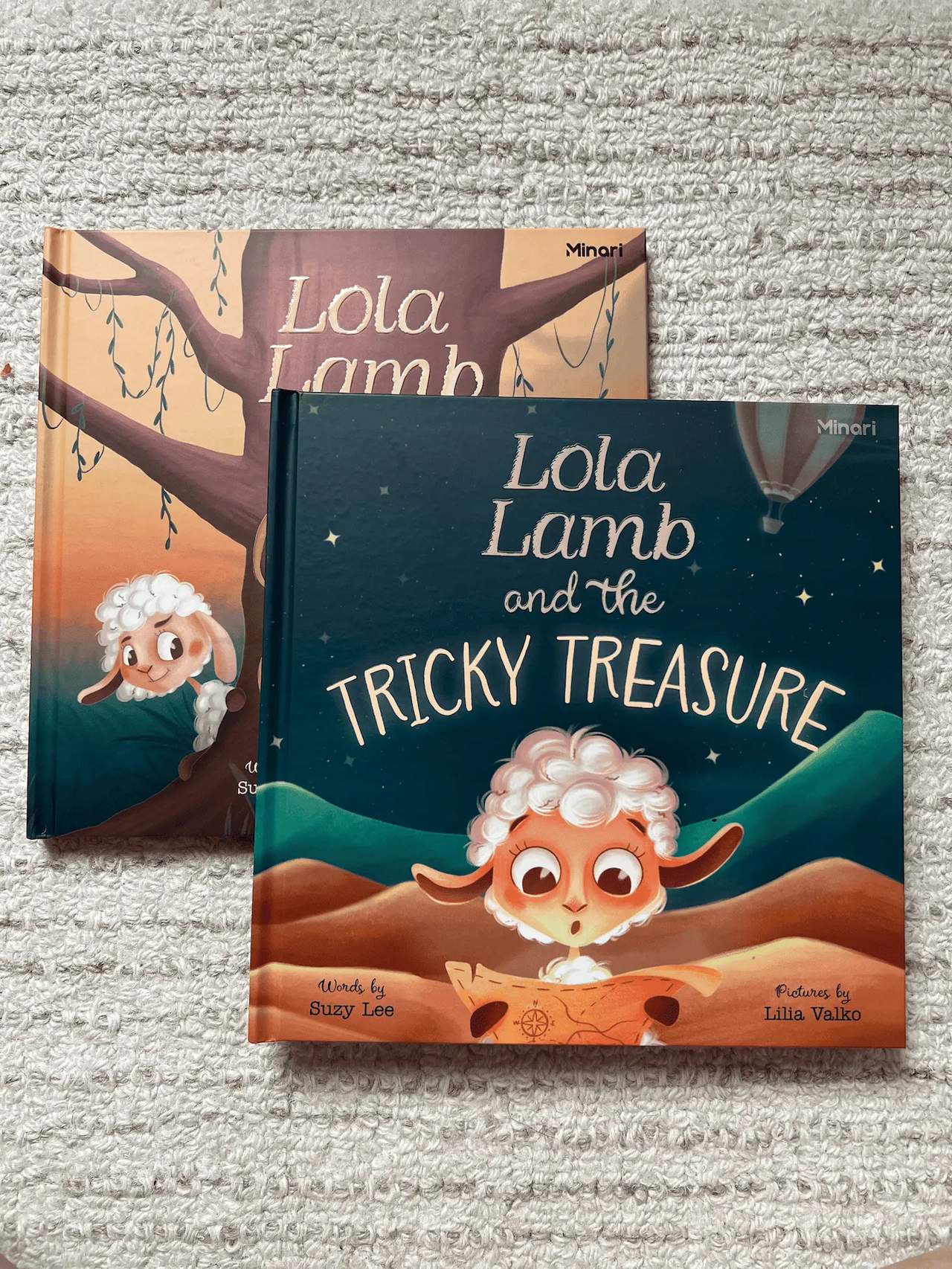
“A most inspiring story for young children!”
Lola Lamb and the Tricky Treasure is a must-have for every child’s bookshelf! The illustrations complete the beautiful story of sharing and showing kindness during everyday adventures. A most inspiring story for young children to be read over and over again. There’s nothing better than a friend who reminds you to “baa-lieve in yourself”.
Agnes H.
Montessori Teacher | NYC
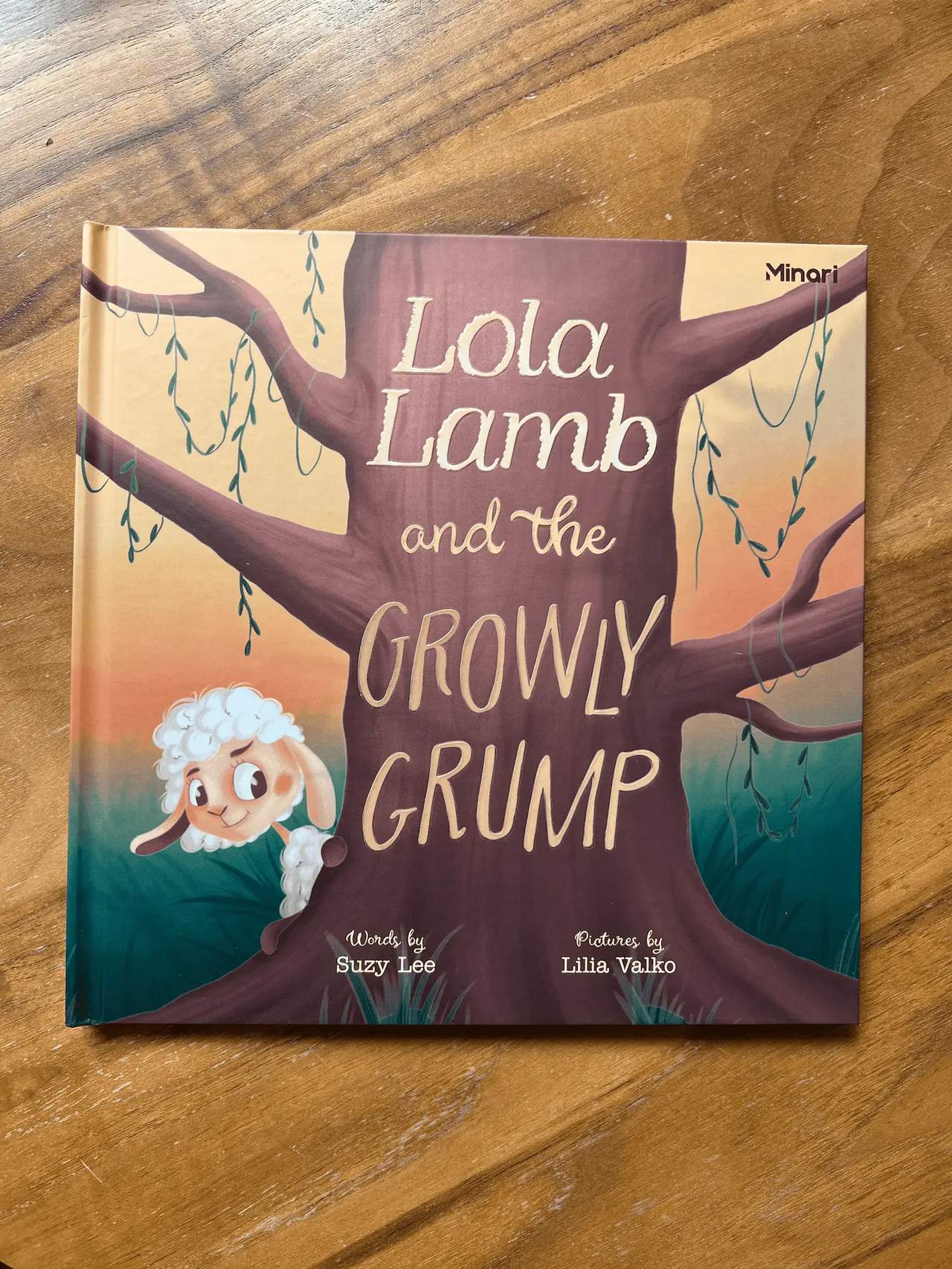
“She opened them and said, 'I love them!!'”
We got the Lola Lamb books while we were on vacation in Hawaii, and I saved them for my daughter’s first day of school. She opened them and said, “I love them!!” And we read them so many times. They’re so beautiful and I love reading them, too.
Mei N.
Mom | NYC
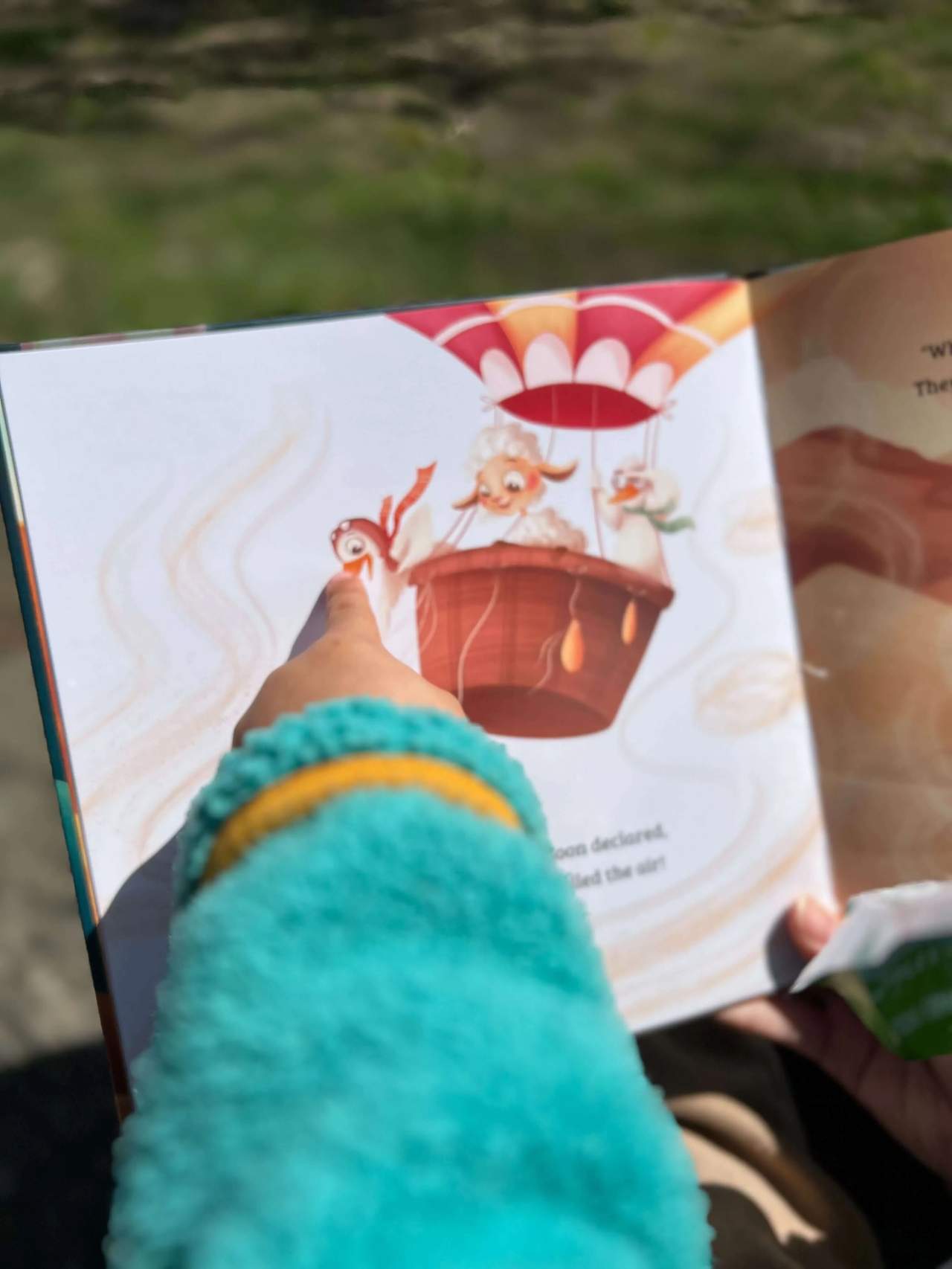
“The book feels special”
The illustrations caught my nephew’s eye right away - he keeps finding little details I missed. What I really appreciate is how Lola’s story deals with big emotions in a relatable way. The book feels special - nice thick pages and that textured cover. It’s a great gift book and a keeper for the bookshelf!
Gina L.
Devoted Auntie | NJ
Buy 1, give 1
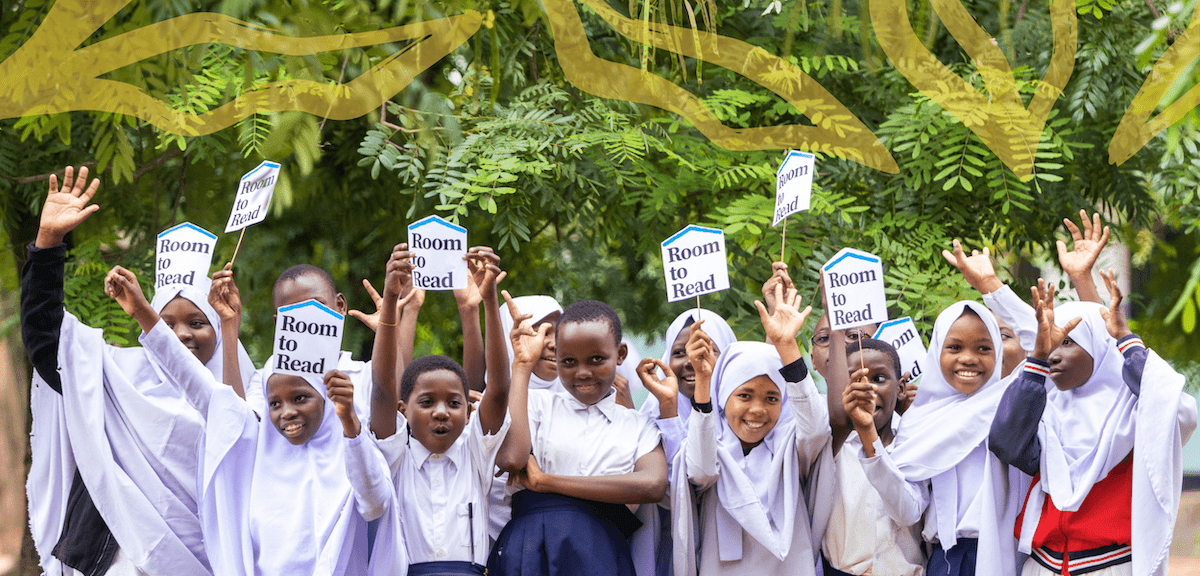
For every purchase, Minari donates one book to children in underserved communities in Asia, through our partnership with Room to Read.
Join Raising Readers
One 5-minute email with book picks, reading tips, and activities for ages 2-8. Every Tuesday.
Little moments, big magic
Exploring the world of children's literature, one adventure at a time.
Picture Books About Feelings That Actually Build Empathy (and Kindness)
You are three pages from the end of the story when your child goes quiet. Not bored-quiet. The other kind. Their eyes are fixed on the page where the small character stands alone at the edge of the playground, and you watch something move across your child's face that you did not put there. Their chin wobbles. "Is he sad?" they ask, in a smaller voice than they were using a minute ago. They are not asking about themselves. For maybe the first time, they are aching for someone else. That ache is the whole reason the best picture books about feelings are worth choosing on purpose. A board book can show a child a sad face to match. A story does something larger: it sets a child down inside a character and lets them feel the feeling from the inside out. That is how empathy and kindness are actually built, not by instruction but by rehearsal. The six picks below, from We're All Wonders to My Magic Breath, each hand your child a different piece of that work. Hand a toddler a board book and you help them name what they feel. That inward work matters enormously, and it is exactly what our guides to books about feelings for toddlers and books about emotions for preschoolers are built for. But somewhere around three or four, a second, outward-facing skill becomes possible: feeling with someone else. Noticing that the boy on the page is lonely, and minding that he is. That skill is empathy, and a story is the single best tool we have for growing it.
Read more
Books About Feelings for Toddlers (Matched to the Feeling on the Floor)
Your not-quite-two-year-old is mid-arch in the high chair, back rigid, face an open wound of a wail, and there are no words coming because there are barely any words yet. Half-desperate, you reach for the board book wedged under the tray, the one with the big crying face on the cover. You tap it. "He feels sad too." And for one second, the screaming catches. She looks. A fat finger lands on the page. That second is the whole reason books about feelings for toddlers exist. At two and three, a child reads emotion through faces long before words — they can match a feeling on a page to the storm inside their own body well before they can say "sad" or "mad" out loud. So the best toddler feelings books are short, sturdy board books with one big, unmistakable feeling-face per spread, and you choose them by matching the book to the feeling. The six picks below, from Baby Happy Baby Sad to Calm-Down Time, each give a toddler one clear face to find. Try reasoning with a screaming two-year-old and you learn fast that the usual tools are missing. There is no "use your words" yet, because the words mostly aren't there. A tantrum at two isn't bad behavior, it's a feeling with no exit: a brain that feels everything at full volume and cannot yet steer. What a toddler can do, surprisingly early, is read a face. Long before they can name an emotion, they can recognize one on someone else's face and feel the echo of it in themselves.
Read more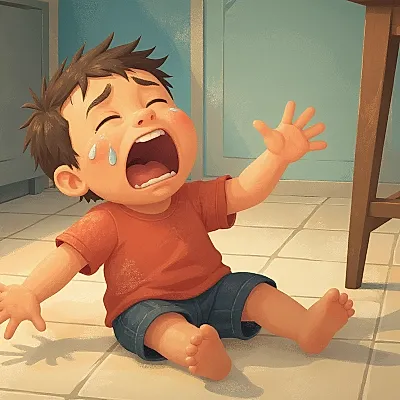
Books About Emotions for Preschoolers (Matched to the Feeling)
The cup is the wrong color. That is the entire catastrophe — green, when it was supposed to be blue — and your three-year-old is face-down on the kitchen floor, howling into the tile, too far gone to hear you. You crouch down and ask what's wrong. They can't tell you. They don't have the word yet for the enormous thing crashing through them. This is the exact moment the best books about emotions for preschoolers are built for. At three, big feelings are a vocabulary problem first: the feeling always arrives before the word for it does. Hand a child the words for what they feel, on a calm afternoon when no one is melting down, and you give them something to reach for when the storm hits. The strongest picks below — The Way I Feel, In My Heart, The Feelings Book, My Many Colored Days, Sometimes I'm Bombaloo, and Big Feelings — each help a preschooler name a different slice of the emotional world.
Read moreTurn storytime into the best part of your day.
Download Minari free and read your first story together tonight. The full library is there when you're ready.


worth it, we promise